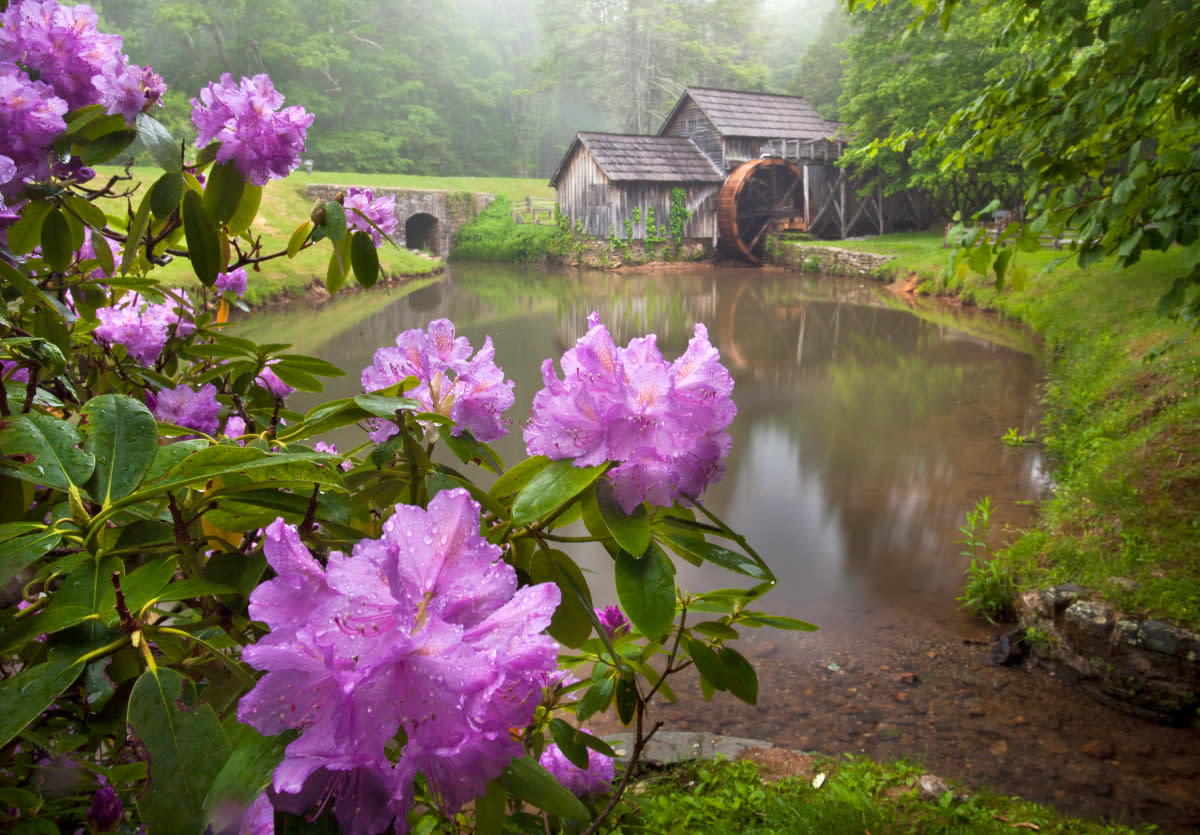
Something Is Pulling People to the High Country
It usually starts with a visit. Maybe it's a long weekend on the Blue Ridge Parkway, a football Saturday at App State, or a summer escape from the heat of Charlotte, Raleigh, or Atlanta. Then something shifts. The air is different up here. The pace is different. And before long, people start asking a question they didn't expect to ask: What would it take to actually live here?
As someone who grew up coming to these mountains and eventually made that exact move myself in 2020, I can tell you — that question has a very good answer. Boone NC real estate has seen sustained interest from buyers across the country, and for good reason. This isn't a trend. It's a lifestyle decision that holds up over time.
Remote Work Changed Everything — and the High Country Was Ready
When remote work went mainstream, a lot of people realized their zip code was no longer determined by their employer. For many of them, that realization pointed straight toward the mountains. Boone sits at roughly 3,300 feet in elevation, which means summers that rarely break 80 degrees — a genuinely rare thing in the Southeast. That alone is a major draw for professionals relocating from warmer metros.
The town has the infrastructure to support a modern remote lifestyle: reliable broadband options, a growing food and coffee scene along King Street, coworking-friendly cafés, and a regional airport in Tri-Cities that makes travel manageable. Buyers looking to purchase mountain property in NC are finding that Boone isn't a compromise — it's an upgrade.
Remote buyers tend to gravitate toward areas like the Valle Crucis corridor, the Boone city limits near the App State campus, and the communities along Highway 105 toward Banner Elk. Each area has its own character, and knowing which one fits your lifestyle matters more than most buyers initially realize.
Retirees Are Choosing Altitude Over Latitude
For decades, retirement meant Florida or the Carolina coast. That calculus is changing. A growing number of retirees are choosing mountain property in NC over beach communities — drawn by the cooler climate, the four distinct seasons, lower humidity, and a strong sense of community that larger resort areas can struggle to maintain.
The High Country offers access to quality healthcare through Watauga Medical Center, an active arts and culture scene anchored in part by Appalachian State University, and outdoor recreation that keeps people physically active well into retirement. The Blue Ridge Parkway, the Watauga River, and trails across the region offer something to do in every season.
My family has had a home in Valle Crucis since 1978, and I've watched this community evolve while holding onto the qualities that made people fall in love with it in the first place. That kind of staying power is exactly what retirees are looking for when they make a long-term move.
Families Are Factoring in More Than Square Footage
For families relocating to Boone, the conversation goes beyond bedrooms and bathrooms pretty quickly. Parents want to know about schools, safety, community, and what their kids are actually going to do here. The answers tend to be reassuring.
Watauga County Schools have a strong reputation, and the presence of Appalachian State University gives the entire community an intellectual and cultural energy that smaller towns don't always have. Kids grow up skiing at Appalachian Ski Mountain, fishing the Watauga River, playing in creeks, and attending events like Valle Country Fair each October in Valle Crucis — one of those community traditions that reminds you why small-town life still matters.
Families buying in the High Country are also thinking about long-term value. Boone NC real estate has historically held its value well because supply is naturally constrained by topography and land-use regulations. What's here is largely what's going to be here, and that scarcity supports long-term equity.
What to Know Before You Buy
If you're seriously considering a move to the High Country, here are a few things worth understanding before you start touring homes:
- Elevation matters. A 10-minute drive can mean a 1,000-foot change in elevation, which affects everything from snow accumulation to road conditions to how a property feels in January.
- Mountain due diligence is different. Septic systems, well water, steep driveways, and slope stability are all part of the conversation in ways they aren't in suburban markets.
- The market moves. Well-priced homes in desirable areas — particularly those with views, acreage, or proximity to town — don't sit long. Working with a High Country REALTOR who knows the inventory and the land is genuinely important here.
- Appalachian State housing demand is real. The university creates consistent demand near campus, which affects both pricing and availability in certain neighborhoods year-round.
- Seasonal timing is a factor. Summer and fall bring the most buyers. If you want options and less competition, late winter can be a strategic time to look.
Ready to Make Your Move?
Whether you're a remote worker ready to trade your commute for a mountain view, a retiree looking for a community that fits your next chapter, or a family ready to put down roots somewhere that feels like home — the High Country has a lot to offer. I've lived this transition myself, and I'd be glad to walk you through what it looks like in today's market.
Reach out to Andrew Plyler at Blue Ridge Realty & Investments in Boone, NC. Whether you're just starting to explore or ready to buy a home in Boone NC, I'm here to help you find the right fit in the mountains.