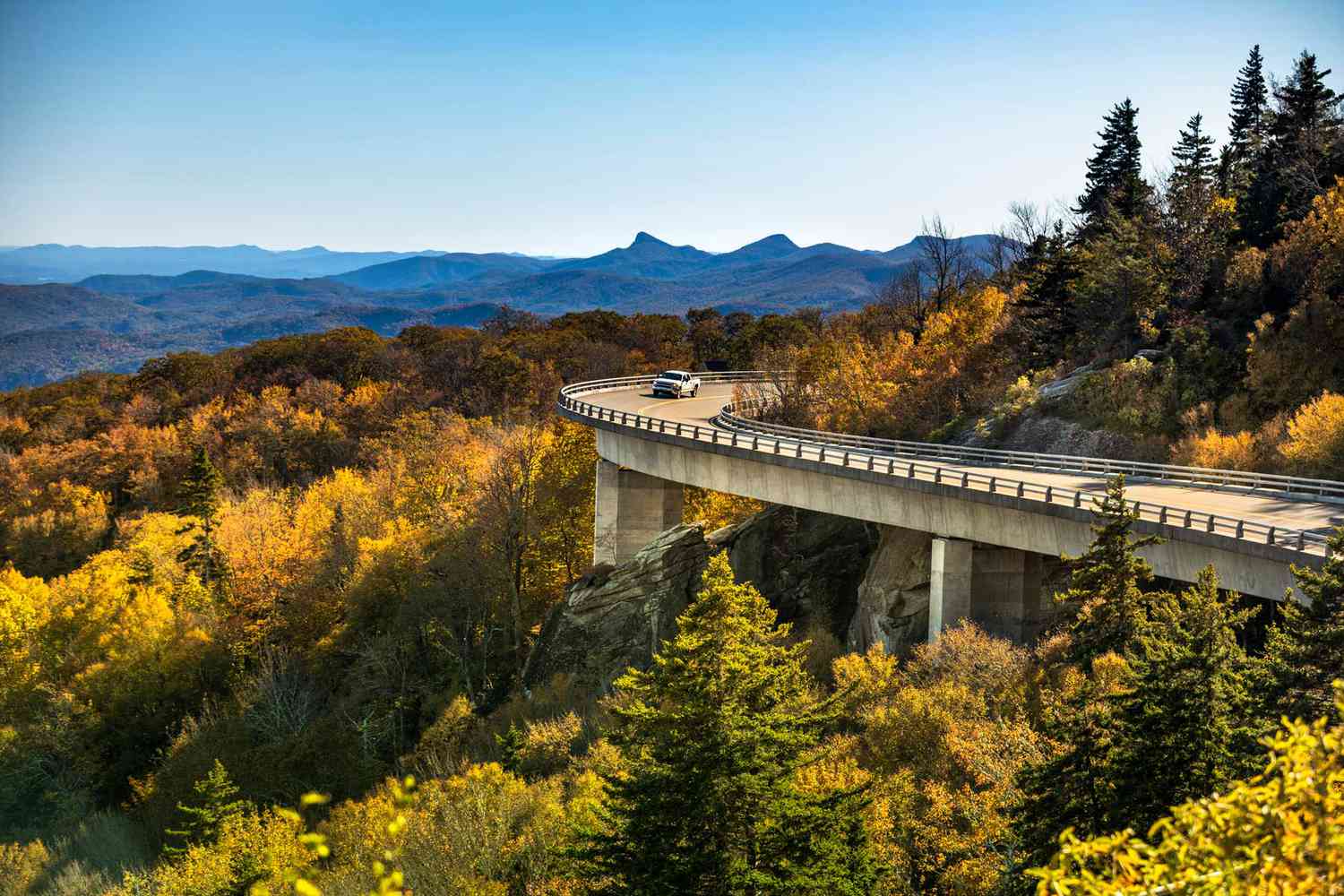
The Summer Spell Is Real — And It Works on Everyone
There's a reason people joke that no one just visits Boone — they either grew up here, went to App State, or came for a long weekend and started doing math on a napkin. Summer in the High Country has a way of doing that to people. The temperatures hover in the 70s when most of the Southeast is suffocating. The mornings are cool enough for a jacket. The rhododendrons are finishing their bloom along Broadstone Road in Valle Crucis, and the evenings on a mountain porch feel like something you'd pay a lot of money to recreate anywhere else.
I say this as someone who spent decades visiting before I finally made the move permanent. My family has had a home in Valle Crucis since 1978. I know exactly what it feels like to leave on a Sunday afternoon and count the days until you can come back. And I know what it feels like when you finally stop leaving. If you're spending time up here this summer and the thought has crossed your mind — what would it take to actually own something here? — this post is for you.
What the Boone NC Real Estate Market Looks Like Right Now
Boone NC real estate has stayed competitive well into 2026. Inventory has loosened slightly compared to the tightest years of the early 2020s, but well-priced, well-located properties — especially those with long-range views, proximity to town, or turnkey condition — still move quickly. Buyers who did their homework before they needed to act have had a significant advantage over those who called a REALTOR the day they found something they loved.
The High Country market includes a wide range of property types: in-town Boone homes within walking distance of King Street, mountain property in NC's rural counties like Ashe and Avery, ski-community condos near Sugar Mountain and Beech Mountain, and everything in between. Prices vary dramatically based on elevation, views, road access, and whether the property has existing utilities. Understanding those variables before you make an offer is the difference between a smooth transaction and a costly surprise.
What hasn't changed is demand. The combination of Appalachian State University's presence, the area's outdoor recreation economy, and the continued migration of remote workers and retirees toward quality-of-life destinations means that Boone NC real estate remains one of the more resilient mountain markets in the Southeast.
Second Homes, Rentals, and the Appalachian State Factor
A significant portion of buyers entering this market are purchasing second homes — some purely for personal use, others with an eye toward short-term rental income during the weeks they're not in residence. The High Country's appeal spans the full calendar: summer hiking and tubing on the New River, fall color that draws visitors from across the country, winter skiing at Beech and Sugar, and spring wildflower seasons that feel almost impossibly beautiful.
There's also an Appalachian State housing angle that's easy to underestimate. Parents who spend four years making trips to Boone for move-ins, family weekends, and graduations often find themselves seriously considering a property purchase. Some buy during their student's enrollment and hold the property long after graduation. If you've been making that drive on US-421 for a few years now, you already know the town better than you think you do.
Whether you're thinking purely about personal use or weighing rental potential, a local expert can help you understand which neighborhoods and property types make the most sense for your specific goals — before you fall in love with something that doesn't fit the plan.
What Summer Buyers Often Miss in Mountain Due Diligence
Here's where the professional insight matters more than the warm storytelling. Mountain property in NC comes with a due diligence checklist that looks different from a suburban transaction in Charlotte or Raleigh. Septic capacity, well yield, road maintenance agreements, flood zone designations near creeks and river bottoms, and slope stability on steeper lots are all legitimate considerations that can affect both livability and resale value.
Summer is also when properties show their best face. That's not a cynical observation — it's just an honest one. Gravel roads that look charming in July can be genuinely impassable after an ice storm. A creek view that's serene in August can change character significantly after heavy fall rains. None of these things should necessarily stop you from buying; they just need to be part of your decision-making process, not a post-closing surprise.
Working with a High Country REALTOR who has actually lived through all four seasons here — and who understands the specific quirks of Watauga, Ashe, and Avery counties — is one of the most practical advantages you can give yourself in this process.
Labor Day Weekend Is Coming — And So Is Your Window
If you're visiting the area this summer, Labor Day weekend is just around the corner. It's one of the busiest weekends of the year up here, and it tends to mark the informal end of peak summer season before the attention shifts to fall foliage. For buyers, the stretch between now and October is actually one of the best times to be active in the market — motivated sellers, properties that have sat through summer, and the chance to see how the area transitions into the season that makes it truly famous.
You don't need to have everything figured out before you reach out. Most good conversations start with a question, a neighborhood you walked through, or a property you saw online and couldn't stop thinking about.
I'm Andrew Plyler, a REALTOR® and Broker with Blue Ridge Realty & Investments in Boone. I was born here, my family has been here for decades, and I made the decision in 2020 to plant my roots in the High Country for good. I'd be glad to talk through what buying in this market actually looks like for someone in your situation — whether that's this fall, next year, or just someday. Reach out anytime, and let's start the conversation.